
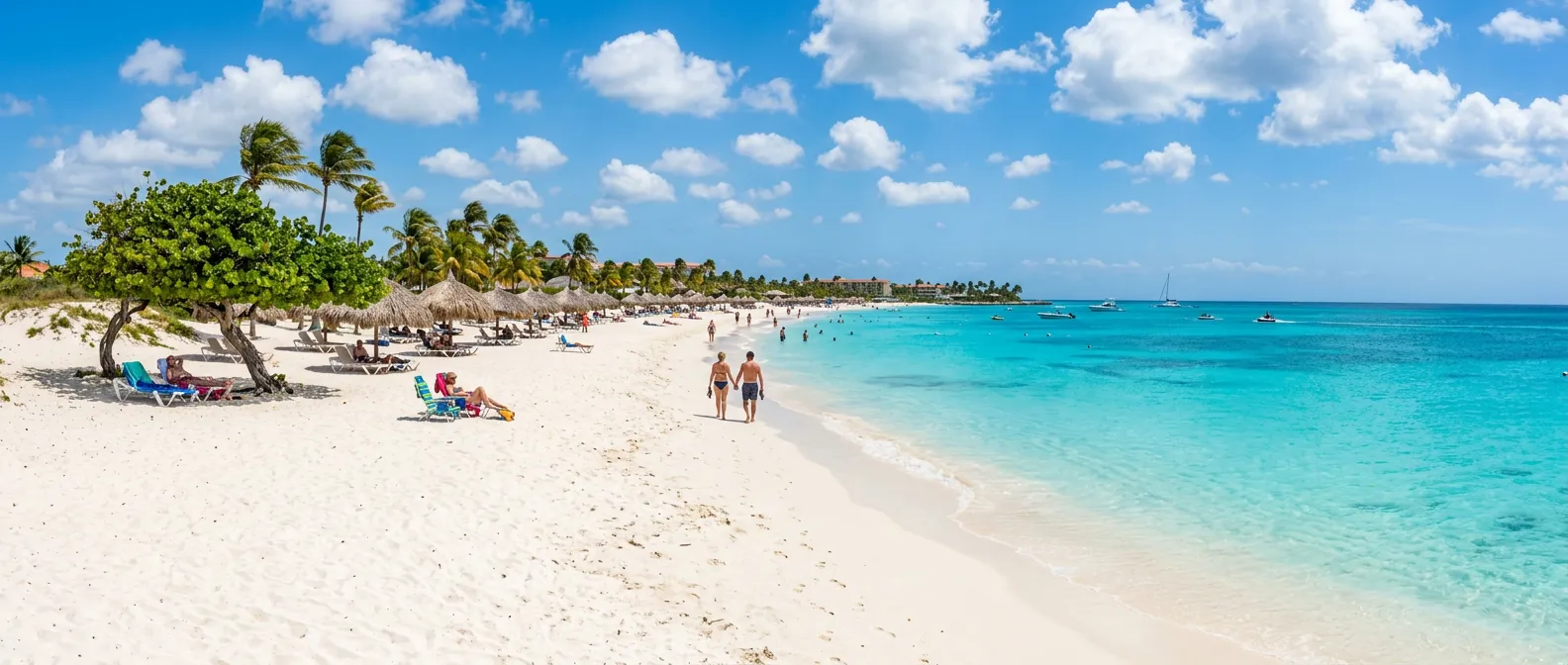
Why Aruba Is a Year-Round Destination
Aruba sits just 12 degrees north of the equator, enjoying consistent 82F (28C) temperatures every single month of the year. Unlike many Caribbean islands, Aruba benefits from its location outside the hurricane belt – a narrow band of ocean where tropical storms typically form. This geographic advantage means Aruba rarely experiences direct hurricane hits, making it a reliable destination no matter when you book your trip.
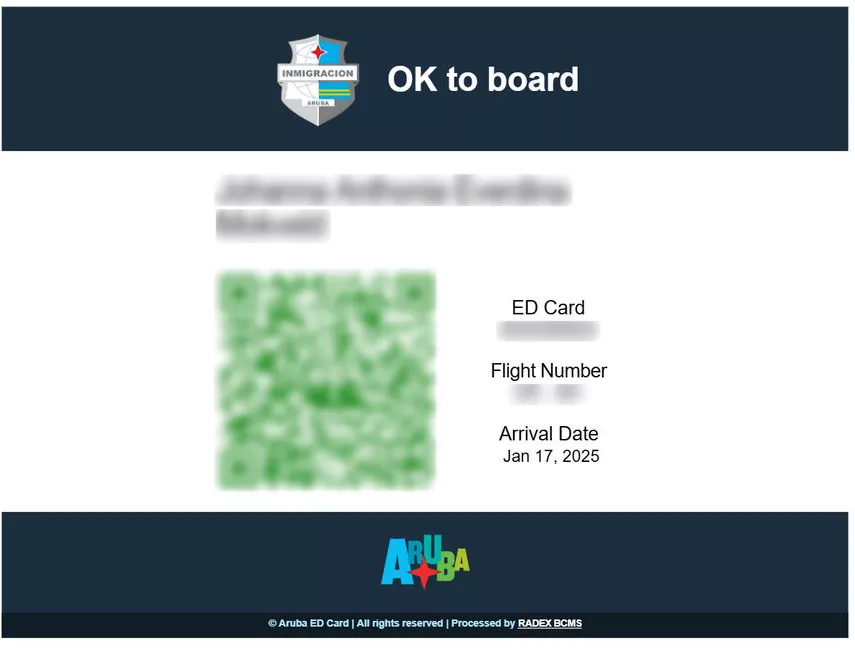
The island receives 8 to 10 hours of sunshine daily across all seasons. Trade winds from the east provide a natural cooling breeze that keeps humidity comfortable, even during the warmest months. For travelers planning their Aruba trip, this consistency means weather is rarely a deciding factor – instead, your choice of travel dates depends on budget, crowd preferences, and activities you want to enjoy. Before you finalize any plans, make sure you understand the Aruba entry requirements, including the mandatory ED Card.
Aruba Weather by Season
Aruba has two main seasons: dry and rainy. Understanding the difference helps you plan activities and pack appropriately.
Dry Season (January – September): This is when Aruba sees the least rainfall. Expect clear skies, calm seas, and ideal beach conditions. January through March are the driest months with virtually no rain. April through September remain very dry with only occasional brief showers that pass quickly.
Rainy Season (October – December): Aruba’s rainy season is mild compared to other Caribbean destinations. Rainfall comes in short, intense afternoon bursts that typically last 15-30 minutes before clearing. Mornings are usually sunny and clear. The island receives only about 20 inches of rain annually, making it one of the driest Caribbean islands.
Temperature ranges stay tight throughout the year:
– Daytime highs: 82-90F (28-32C)
– Nighttime lows: 74-80F (23-27C)
– Water temperature: 78-84F (26-29C)
The consistent warmth means you can swim, snorkel, and enjoy beach activities in any month. Pack light, breathable clothing and reef-safe sunscreen regardless of when you visit.
Peak Season vs Off-Season: What to Know
The biggest difference between visiting Aruba at different times of year comes down to crowds and cost – not weather.
Peak Season (December – April): This is when Aruba sees its highest tourist numbers. North American travelers escaping winter drive demand for flights and hotels to their yearly highs. Expect beaches to be busier, restaurants to require reservations, and popular attractions to have longer waits. The upside: all activities, tours, and restaurants operate at full capacity with extended hours.
Off-Season (May – November): Fewer visitors mean a more relaxed experience. Beaches are less crowded, hotels offer better rates, and you can often book popular restaurants without advance reservations. Many resorts offer significant discounts during these months – some up to 30-50% below peak season rates. For more information on where to stay, see our Aruba resorts guide.
Shoulder Months (May and November): These transitional months offer the best of both worlds – decent weather, moderate crowds, and prices between peak and off-season rates. May is particularly attractive as the rainy season has ended but summer crowds have not yet arrived.
When to Apply for Your ED Card
Every visitor to Aruba needs an ED Card (Embarkation/Disembarkation Card), regardless of season. The application is entirely online through the official portal at edcardaruba.aw.
Key timing rules:
– You can apply up to 7 days before your departure date
– Processing takes 24-72 hours in most cases
– Each person needs their own ED Card, including children
– The ED Card costs $20 per person
– You receive a digital confirmation with QR code
The best practice is to apply as soon as your travel window opens – that means exactly 7 days before your flight. This gives you the maximum buffer if any issues arise with your application. Do not wait until the last minute, especially during peak holiday periods when more travelers are applying simultaneously.
For a complete overview of the ED Card system, see our complete ED Card guide.
ED Card Processing Times by Season
A common question is whether ED Card processing times change during busy travel periods. The official processing window is 24-72 hours year-round, and this holds true across all seasons based on reported traveler experiences.
However, there are practical considerations by season:
Peak Season (December – April): Processing may trend toward the longer end of the 24-72 hour window during major holidays like Christmas, New Year, and spring break. More applications means more volume for processing. Apply early to avoid stress.
Off-Season (May – November): Processing tends to be faster, often within 24-48 hours. Lower application volume means quicker turnaround.
Holiday periods: Around Christmas, Easter, and Carnival (January-February), expect processing to take the full 72 hours. Plan accordingly and do not assume same-day approval.
If your ED Card is not processing, see our troubleshooting guide for solutions. For detailed cost information, visit our ED Card cost breakdown.
Budget Planning by Season
Your Aruba trip cost varies significantly depending on when you visit. Here is a realistic breakdown:
Peak Season Daily Budget (per person):
– Budget traveler: $150-200/day
– Mid-range: $250-350/day
– Luxury: $400-600+/day
Off-Season Daily Budget (per person):
– Budget traveler: $100-150/day
– Mid-range: $175-250/day
– Luxury: $300-450/day
Where you save in off-season:
– Flights: 20-40% cheaper from most US cities
– Hotels: 30-50% lower rates at most resorts
– Car rentals: 15-25% discount
– Some tours: 10-20% off-peak pricing
Where costs stay the same year-round:
– ED Card: Always $20 per person
– Dining: Restaurant prices are generally consistent
– Activities: Major attractions maintain fixed pricing
– Taxis: Government-regulated fares do not change
September and October consistently offer the lowest overall prices, as they overlap with both off-season and the start of the rainy season. Despite the name, the rainy season rarely impacts travel plans – showers are brief and mornings are typically clear.
Best Activities by Season
While Aruba offers activities year-round, certain seasons are better for specific experiences.
Winter (December – March): Calm seas make this the best time for snorkeling, scuba diving, and boat tours. Water visibility is excellent, often exceeding 100 feet. Trade winds are moderate, creating comfortable conditions for beach days.
Spring (April – May): The transition period offers warm weather with diminishing crowds. Excellent for hiking in Arikok National Park before summer heat peaks. Water sports remain excellent.
Summer (June – August): Stronger trade winds make this ideal for windsurfing and kitesurfing at Hadicurari Beach. Inland activities like hiking and cave exploration are best done in early morning to avoid midday heat.
Fall (September – November): The quietest time on the island. Perfect for travelers who want uncrowded beaches and a local atmosphere. Some seasonal restaurants and shops may have reduced hours.
FAQ
What is the absolute best month to visit Aruba?
For the driest weather and calmest seas, January through March are ideal. For the best value with still-excellent weather, May and November offer a sweet spot between peak and off-season.
Is Aruba safe during hurricane season?
Yes. Aruba sits well south of the hurricane belt. While no island is completely immune, Aruba has not taken a direct hurricane hit in modern history. The official hurricane season runs June through November, but Aruba experiences minimal impact.
How far in advance should I apply for my Aruba ED Card?
Apply exactly 7 days before your departure date – this is the earliest the system allows. Do not wait until the day before. The ED Card costs $20 per person and processes in 24-72 hours.
What is the cheapest time to go to Aruba?
September and October offer the lowest prices on flights and hotels, with savings of 30-50% compared to peak season. The ED Card cost remains $20 regardless of when you travel.
Does the ED Card processing time change during holidays?
The official processing window stays at 24-72 hours year-round. During major holidays like Christmas and Easter, processing may trend toward the longer end of that range. Apply as early as possible.
How many days do I need in Aruba?
Most travelers find 5-7 days ideal for experiencing beaches, activities, and dining. A minimum of 4 days covers the essentials. Two weeks allows for a relaxed pace with day trips and deeper exploration.
Is Aruba crowded during peak season?
December through March sees the highest visitor numbers. Popular beaches like Eagle Beach and Palm Beach are busier, and restaurants may require reservations. Off-season visits from May to November offer a more relaxed experience.
What should I pack for Aruba?
Pack light, breathable clothing, reef-safe sunscreen (SPF 30+), a hat, sunglasses, and water shoes for rocky beach areas. A light rain jacket is useful during the October-December rainy season. No heavy layers are needed year-round.
Can I apply for the ED Card on the day I travel?
While same-day applications may process in time, it is risky. The ED Card requires 24-72 hours for processing. Apply at least 3-4 days before departure to ensure your confirmation arrives with time to spare.
Are Aruba resort prices much higher in peak season?
Yes. Peak season resort rates run 30-50% higher than off-season. A hotel room that costs $200/night in September might cost $300-350/night in February. Booking early helps secure better rates even during peak periods.